


Every impulse to trade is a silent saboteur creeping into your financial decisions — but most investors never even notice. It’s a relentless mental battle few talk about, yet it can make or break your financial future.
If you’re tired of watching your impulsive urges wreck your portfolio and want to decode the hidden psychological forces behind them, this article is for you.
Recognizing Impulsive Trading and Its Psychological Roots


Impulsive trading urges are spontaneous, emotionally driven decisions to buy or sell assets without strategic planning. These urges often stem from psychological causes, and recognizing them is the first step in learning how to control impulsive trading urges effectively.
Emotional triggers play a major role—fear, greed, frustration, or excitement can overwhelm rational thinking and prompt sudden actions. Stress, overload from market news, or personal pressures further amplify these impulses.
Cognitive biases such as confirmation bias convince traders to seek information supporting pre-existing beliefs, while herding behavior pushes individuals to mimic market trends without due diligence.
Physiological responses like increased heart rate or restlessness can signal rising impulse control challenges.
Understanding these behavioral patterns helps investors pause and analyze their impulses before reacting. Awareness transforms impulsive energy into mindful decision-making, protecting portfolios from unnecessary risks.
By recognizing specific triggers and brain-body signals tied to impulse, investors gain a crucial advantage in staying disciplined and aligned with their long-term goals.
📚 Scientific & academic sources
-
Kahneman & Tversky – Prospect Theory
https://www.princeton.edu/~kahneman/docs/Publications/prospect_theory.pdf -
American Psychological Association – Emotion & Decision-Making
https://www.apa.org/topics/decision-making -
Nature Human Behaviour – Emotion-driven decisions
https://www.nature.com/articles/s41562-019-0655-1
Discover more about behavioral finance at:
https://en.wikipedia.org/wiki/Behavioral_finance
Impact of Impulsive Trading on Financial Decision-Making


Impulsive trading acts as a hidden mental saboteur, quietly undermining your portfolio’s health. Making rash buy or sell decisions based on fleeting emotions or market noise increases risk and often leads to avoidable losses.
Such behavior disrupts long-term investment plans, causing missed opportunities for growth and compounding. Constantly reacting to short-term fluctuations leads to excessive transaction costs, tax inefficiencies, and portfolio instability.
The emotional rollercoaster triggered by impulsiveness amplifies stress and erodes financial confidence, creating a vicious cycle of poor choices.
Recognizing how impulsive urges affect decisions helps investors connect these behaviors to their overall money mindset challenges. This awareness is critical for motivating change toward more disciplined, deliberate trading habits.
By controlling impulsivity, you protect your investments, reduce risk exposure, and enhance the chance of sustained wealth building—laying the groundwork for long-term financial success.
📚 Evidence-based insights
- Barber & Odean – Trading Is Hazardous to Your Wealth
https://faculty.haas.berkeley.edu/odean/papers/Trading%20Is%20Hazardous.pdf - CFA Institute – Investor Behavior & Performance
https://www.cfainstitute.org/en/research/foundation/2015/behavioral-finance
For related insights, visit:
https://en.wikipedia.org/wiki/Behavioral_finance
Effective Strategies to Manage and Control Impulsive Trading


Controlling impulsive trading urges requires practical, actionable strategies grounded in psychology. One powerful technique is mindfulness—pausing to observe your emotions and thoughts before acting. This moment of reflection helps disrupt automatic impulsive reactions.
Another proven method is delayed decision-making. Setting a mandatory waiting period before executing trades—for example, 24 hours—gives time to reassess and prevents hasty choices.
Establishing clear trading rules and plans also builds discipline. Define entry and exit criteria in advance, and stick to them without emotional deviation.
Control your environment to reduce triggers: limit exposure to volatile news, mute notifications, or designate specific times for portfolio review.
Use reminders, like journals or alarms, to stay aware of your goals and the importance of restraint.
Forming lasting habits around these strategies reinforces self-control, making measured trading second nature.
Mastering how to control impulsive trading urges means combining emotional regulation with structured routines—protecting your portfolio from costly mistakes.
📚
- Harvard Business Review – Mindfulness & Decision Quality
https://hbr.org/2018/01/mindfulness-can-literally-change-your-brain - NIH – Impulse Control & the Brain
https://www.ncbi.nlm.nih.gov/pmc/articles/PMC4491540/
🔗 Contextual internal link (âncora natural):
👉 A strong foundation in money psychology makes impulse control easier. Read The Psychology of Saving: Master Your Money Mindset.
Building a Resilient Money Mindset for Long-Term Success
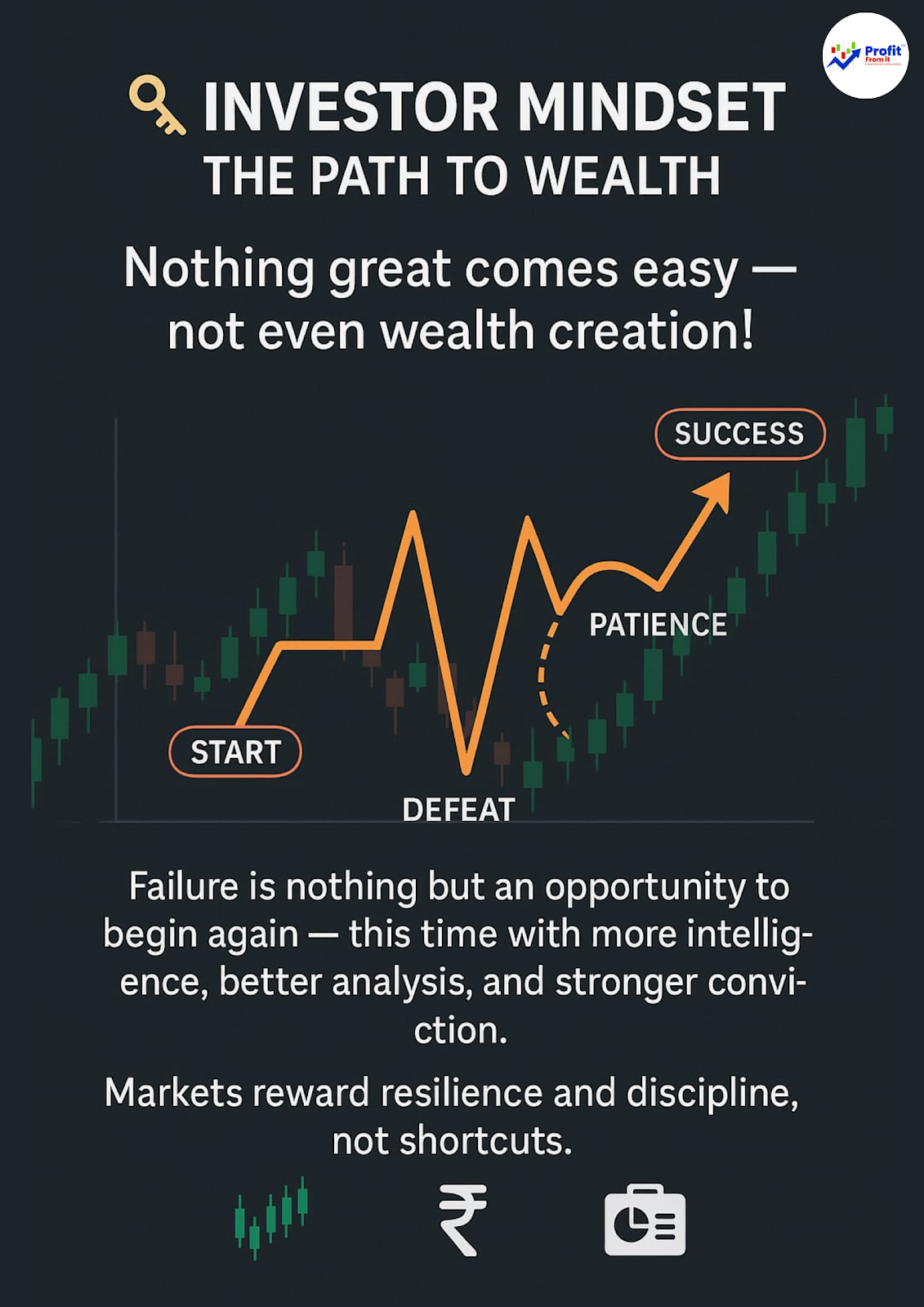


Developing a resilient money mindset is crucial for mastering how to control impulsive trading urges. Patience becomes your greatest ally, allowing you to stay the course despite market fluctuations and emotional noise.
Embracing risk awareness means understanding that investing always involves uncertainty. Instead of fearing risk, see it as an inherent part of growth, helping reduce impulsive reactions triggered by fear.
Self-compassion is a powerful mindset shift—acknowledging that mistakes happen without harsh self-judgment. This encourages learning and resilience rather than panic-driven decisions.
Mindset exercises like visualization, affirmations, and cognitive reframing support this growth. For example, reminding yourself “I invest for the long term” or reframing setbacks as temporary learning moments changes your mental relationship with trading.
Building this psychological strength reduces impulsivity and improves decision quality, creating a stable foundation for sustained financial success and wealth accumulation.
📚
- APA – Psychological Resilience
https://www.apa.org/topics/resilience - Harvard Health – Stress, Emotions & Financial Decisions
https://www.health.harvard.edu/mind-and-mood/how-financial-stress-affects-your-mental-health
Explore related concepts at:
https://en.wikipedia.org/wiki/Psychological_resilience
Tools and Resources to Support Impulse Control in Trading

Controlling impulsive trading urges requires practical support tools alongside mindset work. Trading journals are powerful allies—they help you track emotions, decisions, and patterns, giving clarity on triggers that spark impulsivity.
Several apps now assist investors in monitoring psychological states linked to trading, offering prompts to pause or reflect before acting. These emotional tracking tools build self-awareness critical for impulse control.
Automated safeguards like stop-loss orders and limit orders act as mechanical brakes, preventing costly impulsive trades by triggering pre-set exits. Automation enhances discipline, removing the emotion from decision-making.
Educational resources—courses, books, webinars—on behavioral finance deepen understanding of psychological pitfalls and techniques to resist them. Engaging with investor communities or support groups provides encouragement and accountability.
Combining technology, education, and social support creates a comprehensive framework to manage impulses. Such integration is essential how to control impulsive trading urges and sustain smarter, more thoughtful investment practices.
📚
- Journal of Behavioral Finance – Trading Psychology
https://www.tandfonline.com/doi/full/10.1080/15427560.2016.1221923 - Investopedia – Stop-Loss & Limit Orders
https://www.investopedia.com/terms/s/stop-lossorder.asp
For more, visit:
https://en.wikipedia.org/wiki/Behavioral_finance
Frequently Asked Questions About Controlling Impulsive Trading


Why do impulsive trading urges happen?
Impulsive trades are often triggered by emotional reactions like fear or greed, amplified by cognitive biases such as herding or confirmation bias. Stress and market volatility also spike these urges.
How can I spot impulsive urges early?
Notice physiological signs—racing heart, restlessness—or sudden urges to check your portfolio obsessively. Journaling your thoughts helps identify emotional patterns linked to impulsivity.
What are effective ways to resist impulsive trades?
Use mindfulness to pause and observe feelings before acting. Implement rules like a cooling-off period before any trade and automate investments to reduce emotional decisions.
Can technology help control impulsive trading?
Yes. Tools like trading journals, emotion-tracking apps, and automated stop-loss orders provide structure and accountability to curb impulsive behaviors.
How long does it take to build impulse control?
It varies but consistent practice of discipline, mindfulness, and habit formation strengthens control over weeks to months. Patience is key.
Mastering how to control impulsive trading urges hinges on self-awareness, practical techniques, and ongoing commitment—for healthier financial decisions and portfolio growth.
Explore more at Behavioral finance – Wikipedia.
We’ve reached the End
Impulsive trading can silently damage your portfolio, but with awareness and discipline, you can regain control. Use mindfulness, clear rules, and practical tools to protect your investments. Start applying these strategies today and share your experiences to build stronger financial habits!
FAQ Questions and Answers about How to Control Impulsive Trading Urges
Here we’ve gathered the most frequent questions investors ask about controlling impulsive trading urges so you can leave here without any doubt.
Why do impulsive trading urges happen?
Impulsive trading urges are triggered by strong emotions like fear or greed, amplified by cognitive biases such as herding and confirmation bias, as well as stress and volatile markets.
How can I spot impulsive trading urges early?
Watch for physical signs like a racing heart or restlessness, and track your emotional patterns through journaling to catch impulsive urges before they lead to trades.
What strategies help control impulsive trading urges?
Use mindfulness to pause before acting, enforce a cooling-off period after feeling an urge, stick to predefined trading plans, and automate trades when possible.
Can technology assist in managing impulsive trading urges?
Yes, tools like trading journals, emotion-tracking apps, and automated stop-loss orders help add structure and prevent rash trading decisions.
How long does it take to build control over impulsive trading?
Building impulse control varies per person but typically requires consistent practice over weeks to months, combining discipline, mindfulness, and habit formation.
How does a resilient money mindset aid in controlling impulsive trading?
A resilient mindset fosters patience, risk awareness, and self-compassion, helping traders stay calm through market fluctuations and avoid impulsive reactions.