


Introduction
You can study the markets for years, master technical and fundamental analysis, and follow every rule you learned — yet still make irrational investment decisions. Why?
Because even the smartest investors are not purely rational creatures. They are emotional, pattern-seeking humans navigating uncertainty, risk, and pressure.
In this article, you’ll discover why intelligent investors consistently fall into psychological traps, which biases cause the most damage, and how to develop a mental framework that protects your capital (and your sanity). By the end, you’ll understand how to break the cycle of decisions you know aren’t logical — but still make anyway.
The Hidden Psychology Driving “Smart” Investors Into Bad Decisions
1. Intelligence Doesn’t Erase Human Biases


Market knowledge doesn’t shield anyone from cognitive distortions.
In fact, smart investors often fall deeper into bias traps because:
- They trust their analysis too much.
- They fall in love with their own predictions.
- They assume experience equals accuracy.
This creates overconfidence, one of the most dangerous behavioral finance biases.
The Most Common Biases Sabotaging Smart Investors
2. Overconfidence Bias: The Expert Trap
The more experienced the investor, the more likely they are to:
- Trade larger positions
- Ignore contradicting data
- Double down on losing positions
- Believe “this time is different”
Confidence is valuable — but the market punishes arrogance.
3. Confirmation Bias: Seeing Only What You Want to See
You start bullish… and suddenly:
- Every article supports your view.
- Every chart looks like a breakout.
- Every piece of data “confirms” your opinion.
This selective perception leads to high-conviction mistakes.
4. Loss Aversion: Avoiding Pain, Not Maximizing Growth


Smart investors still cut winners too early and hold losers too long because the brain reacts to loss like physical pain.
Loss aversion causes:
- Emotional attachment to underperforming trades
- Hesitation to exit red positions
- Premature selling of strong assets
This single bias can destroy long-term performance.
5. FOMO and Herd Behavior: When Logic Loses to Emotion
Even brilliant investors get swept into:
- Market hype
- Trending trades
- Social media influence
- “Everyone is buying” dynamics
FOMO feels like opportunity — but often signals danger.
Why Smart Investors Become Irrational Under Pressure
6. Stress, Uncertainty, and the Brain’s Survival Mode
The human brain was not designed for modern financial markets.
Under stress, it switches to reactive mode, reducing:
- Analytical thinking
- Patience
- Disciplined execution
When cortisol rises, rationality falls.
7. The Identity Problem: When Your Portfolio Represents Your Self-Worth
Many investors unintentionally attach their identity to their decisions:
- “If this fails, I look incompetent.”
- “I can’t be wrong about this.”
- “My reputation depends on this play.”
This emotional attachment kills objectivity and makes rational exits almost impossible.
How Smart Investors Can Break the Cycle of Irrational Choices
8. Build Friction Between Emotion and Action
Simple “speed bumps” reduce impulsive decisions:
- A pre-trade checklist
- A rule to wait 10 minutes before entering
- A written justification for every trade
- Defined entry/exit and position sizing plans
These micro-barriers protect you from emotional reflexes.
9. Journal Your Emotions, Not Just Your Trades

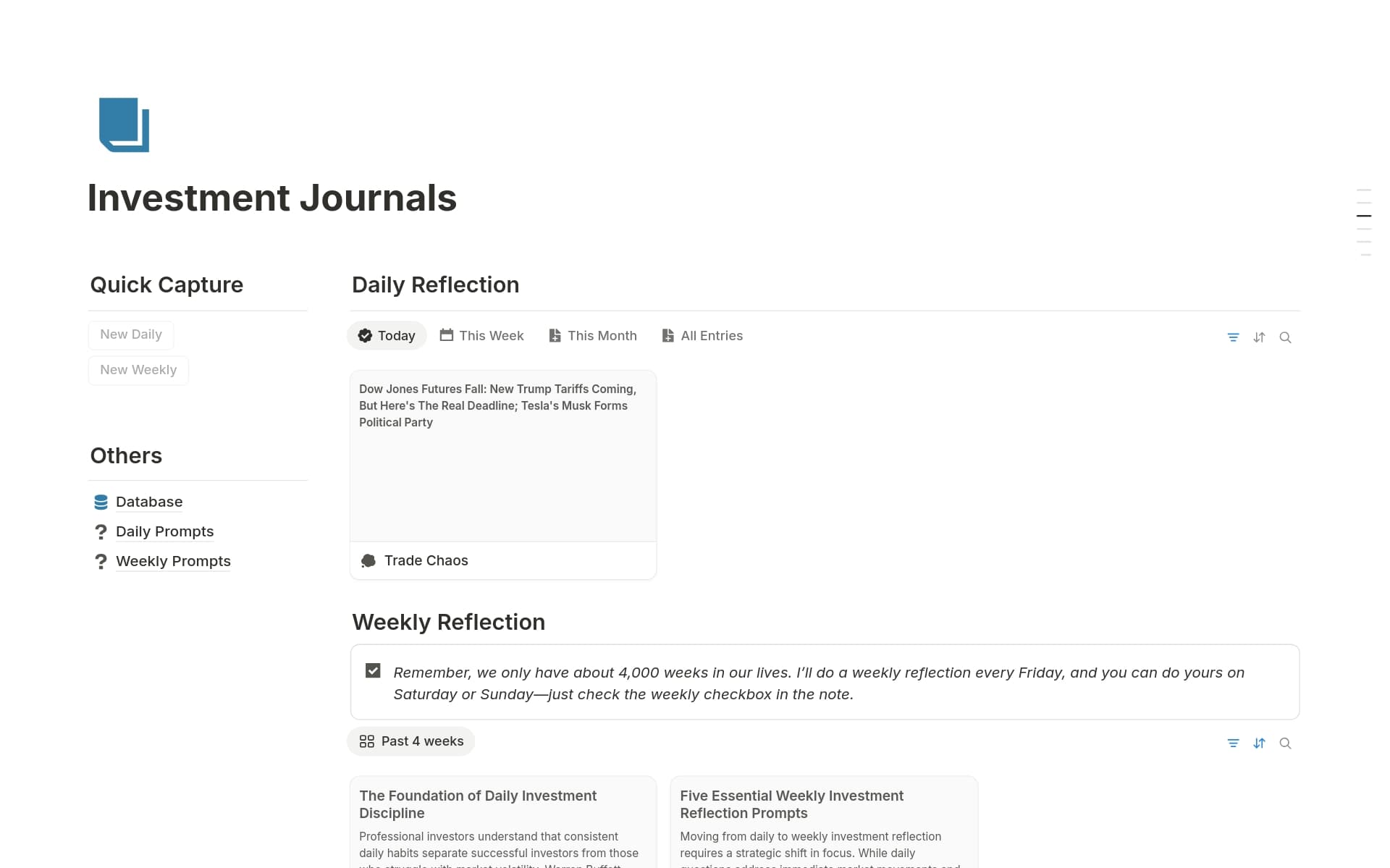

A journal reveals patterns you don’t notice in real time:
- When do you get reckless?
- What triggers FOMO?
- How does stress affect your execution?
- Which biases repeat themselves?
Awareness is the first step toward mastery.
10. Use Pre-Commitment to Outsmart Your Future Self
Professional investors rely on:
- Stop-loss automation
- OCO orders
- Risk limits
- Portfolio caps
- Scheduled reviews
By making decisions in advance, you protect yourself from your weaker emotional state in the moment.
Conclusion
Smart investors don’t make irrational choices because they lack intelligence — they make them because they’re human. Biases, emotions, and internal pressures quietly influence decisions long before charts or indicators do.
By understanding these psychological traps and applying tools like friction, journaling, and pre-commitment, you can transform your behavior and elevate your performance.
The market rewards self-awareness more than brilliance. Start observing your patterns today — and become the investor your strategy deserves.