
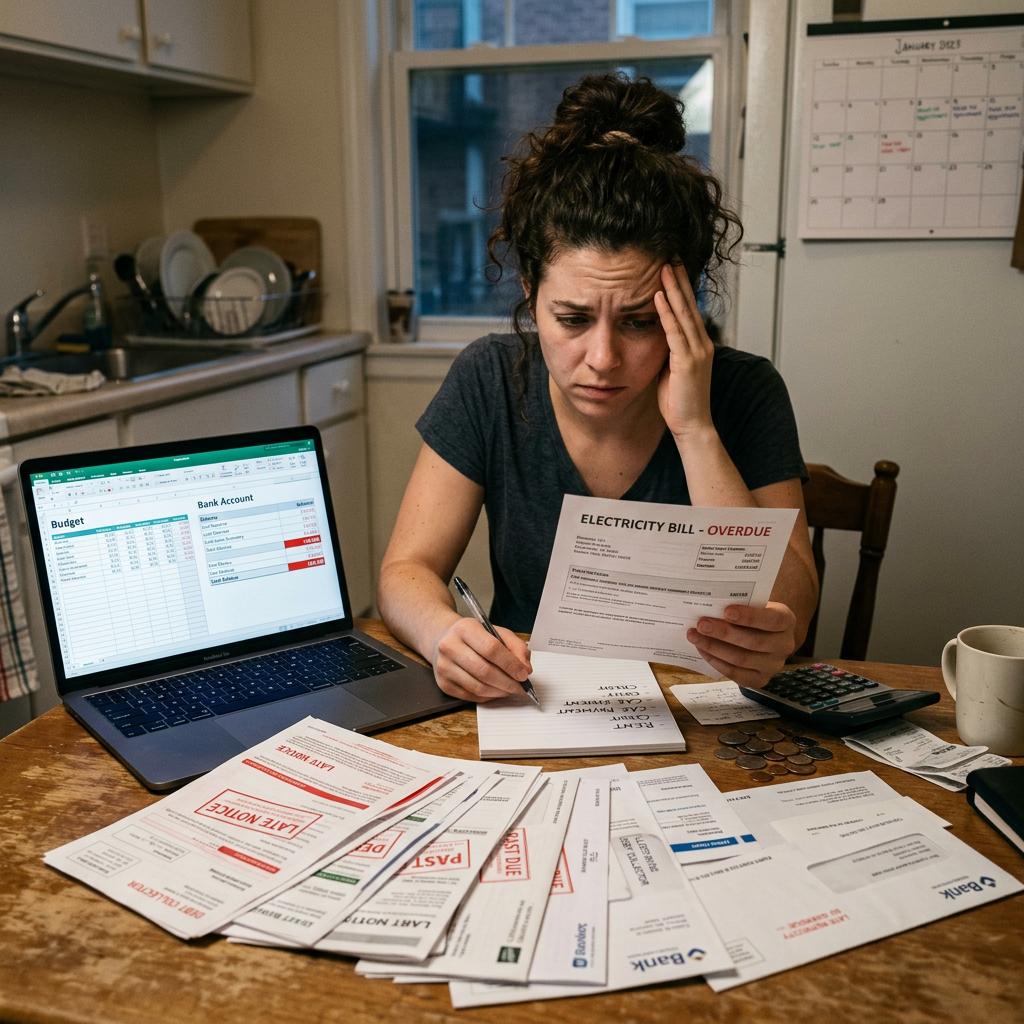
Stress doesn’t just mess with your mind—it’s quietly sabotaging your wallet. Just when you think you’re making smart financial moves, stress is lurking behind the scenes, twisting your choices in ways you never saw coming.
If you’ve ever wondered why stressful days lead to regrettable money decisions, you’re in the right place. Let’s uncover the hidden connection between your emotional state and your financial behavior, so you can take back control and make smarter investing moves.
Understanding How Stress Impacts Financial Decision-Making
Stress has a profound impact on how our brain functions, especially when making financial decisions. When you’re under stress, your body releases cortisol and adrenaline—stress hormones that can alter your risk tolerance and cognitive processes.
These hormones can make you more impulsive or risk-averse, skewing your usual decision-making framework. For instance, heightened cortisol can narrow focus to immediate threats, causing you to overlook long-term benefits and stick to “safe” choices or panic sell.
Moreover, stress contributes to decision fatigue—the mental exhaustion from making too many decisions under pressure. When fatigued, your brain seeks shortcuts, often favoring quick, less thoughtful financial moves that lead to regrets.
Psychologically, stress triggers our emotional brain—particularly the amygdala—which dominates over the rational prefrontal cortex during tense moments. This imbalance fuels anxiety-driven actions instead of measured, strategic planning.
In my personal experience, recognizing how stress hijacked my financial decisions was a turning point. I learned to pause and identify when stress was affecting my choices, allowing me to take a step back and reassess calmly.
Understanding this hidden relationship between stress and bad money choices is crucial to regaining control over your financial mindset and improving your investing success.
For deeper insight, see Decision-making – Wikipedia.
Common Stress-Driven Money Mistakes Investors Make
Stress can quietly push even the most experienced investors into making poor financial decisions. Recognizing these common mistakes is the first step to taking control.
Impulsive Buying
When stressed, the brain craves quick relief, often leading to impulsive purchases unrelated to financial goals. For investors, this might mean chasing hot stocks or jumping into risky deals without proper research—a pattern I once fell into after a stressful period at work.
Panic Selling
Market drops paired with stress often trigger panic selling. Investors sell low out of fear, locking in losses instead of riding market recovery. I remember how seeing red numbers during volatile times nearly made me sell assets I later wished I had held.
Neglecting Long-Term Plans
Stress floods your mind with immediate worries, making long-term strategies seem distant or irrelevant. This causes some to deviate from their carefully crafted plans, jeopardizing future wealth.
Overspending
Financial stress sometimes leads to overspending as a coping mechanism, which can worsen money problems. Avoiding this trap means identifying stress triggers early and practicing healthier outlets.
By understanding how stress sabotages your money decisions, you gain power to pause and choose smarter financial paths.
For more insight, see Financial stress – Wikipedia.
The Neuroscience Behind Stress and Risky Investment Behavior
Stress profoundly changes how the brain processes risk and reward, often steering investors toward poor decisions. When stressed, the amygdala—the brain’s center for fear and emotion—becomes overactive, overpowering the prefrontal cortex, which governs rational thinking and impulse control.
This shift leads to heightened sensitivity to threats and immediate rewards, making you more likely to react impulsively—selling off assets too soon or chasing risky investments without due diligence.
Additionally, stress affects dopamine regulation, the neurotransmitter linked to pleasure and reward. Disrupted dopamine levels can drive compulsive behaviors and poor risk assessment, causing investors to either take excessive risks or avoid opportunities altogether.
For example, during volatile markets, I noticed my natural inclination to fixate on losses rather than potential gains—a classic stress response linked to amygdala dominance.
Understanding these brain mechanisms helps explain why stress sabotages your investing discipline and highlights the importance of strategies to rebalance emotional and cognitive brain functions.
For more detailed information on brain regions and stress, see Neuroscience – Wikipedia.
Would you like to continue with strategies to manage stress for smarter financial decisions?
Strategies to Manage Stress for Smarter Financial Decisions
Stress can cloud your judgment, but practical strategies exist to regain control and make smarter money choices.
Mindfulness and Decision Pauses
Mindfulness helps you observe stress without reacting impulsively. When feeling overwhelmed, pause before making financial moves—a technique I used to prevent panic selling during market dips. This pause allows clearer, calmer thinking.
Budgeting and Routine Habits
Establishing budgeting routines reduces financial uncertainty, easing stress. Knowing where your money goes can anchor you amid chaos, encouraging disciplined spending and saving even during tense periods.
Seek Professional Advice
Don’t hesitate to consult financial experts who understand behavioral finance. Professionals can provide personalized guidance, helping you stay on track and avoid stress-driven mistakes.
Break the Stress-Mistake Cycle
Implementing these steps interrupts the pattern where stress leads to bad money choices. Over time, these habits build resilience and improve your overall financial wellbeing.
By integrating mindfulness, structure, and expert support, you empower yourself to navigate financial decisions thoughtfully, no matter the stress level.
Learn more about mindfulness at Mindfulness – Wikipedia.
Shall I continue with building a resilient money mindset to combat stress effects?
Building a Resilient Money Mindset to Combat Stress Effects
A resilient money mindset is your best defense against stress-driven financial mistakes. It combines emotional strength with financial confidence, helping you stay grounded even when pressure mounts.
Developing Emotional Resilience
Emotional resilience allows you to face financial uncertainty without panic. I built this by practicing daily affirmations that reinforced my belief in my ability to handle market swings and setbacks calmly.
Strengthening Financial Confidence
Understanding your money values and setting clear goals boost confidence. When you trust your financial plan, stress has less power to sway your decisions impulsively.
Daily Practices to Reinforce Resilience
Journaling your financial wins and reflecting on past challenges helps shift focus from fear to progress. This habit reminds you that stress is temporary, but disciplined actions lead to lasting results.
By cultivating these mindset shifts and habits, you create a buffer against stress, enabling smarter, steadier financial choices.
Learn more at Psychological resilience – Wikipedia.
Shall I continue with the FAQs section next?
FAQs: Stress and Its Hidden Impact on Your Financial Health
Why do stressful days lead to poor money choices?
Stress triggers emotional and physiological responses that impair judgment. When stressed, the brain focuses on immediate threats, pushing you toward impulsive or risk-averse financial decisions instead of thoughtful planning.
How can I tell if stress is affecting my investing decisions?
Look for patterns like rash selling, avoiding money matters, or ignoring your long-term goals. If emotions often override your rational process, stress is likely influencing your choices.
What are quick ways to reduce financial stress?
Simple methods like deep breathing, taking breaks before big decisions, and sticking to a budget can calm your mind and reduce impulsivity.
Can improving financial knowledge help combat stress?
Absolutely. Understanding your finances builds confidence and reduces uncertainty, which lowers stress and supports better decision-making.
When should I seek professional help for financial stress?
If stress leads to overwhelming anxiety or consistently poor decisions, consulting a financial advisor or coach can provide personalized strategies and emotional support.
Understanding these answers equips you to recognize and address how stress secretly shapes your financial health.
For more, see Stress (medicine) – Wikipedia).
We’ve reached the End
Stress silently disrupts your financial decisions by triggering impulsive or fearful actions. Recognizing this connection empowers you to pause and make thoughtful money moves.
Start applying mindful strategies today to stay in control and build financial resilience that lasts. Share your experience and take charge of your investing journey!
FAQ Questions and Answers about The Hidden Relationship Between Stress and Bad Money Choices
To help you better understand how stress influences financial decisions, we’ve gathered the most frequent questions so you leave here without any doubt.
Why does stress lead to bad money choices?
Stress triggers hormones that can impair judgment and push you toward impulsive or overly cautious financial decisions, causing you to stray from your usual thoughtful planning.
How can I recognize if stress is affecting my investing decisions?
Look for signs like panic selling, impulsive buying, neglecting your long-term financial goals, or feeling overwhelmed during money decisions — these often indicate stress interference.
What quick strategies can I use to reduce stress-driven financial mistakes?
Simple techniques like practicing mindfulness, pausing before big decisions, and sticking to a budget help calm your mind and prevent rash money moves caused by stress.
Can improving my financial knowledge help combat stress-related poor choices?
Yes, understanding your finances builds confidence and reduces uncertainty, lowering stress and supporting smarter, calmer financial decisions.
When should I seek professional help for financial stress?
If stress leads to persistent anxiety or consistently causes poor financial decisions, consulting a financial advisor or coach for tailored guidance is a wise step.
How does stress affect my brain’s risk assessment during investing?
Stress overactivates the amygdala, heightening fear and emotion, while suppressing the rational prefrontal cortex, which leads to impulsive actions or excessive risk aversion.
What habits build a resilient money mindset to manage stress effects?
Developing emotional resilience through affirmations, setting clear financial goals, and reflecting on progress daily helps you stay grounded and make steadier money choices under stress.
Further Reading
- Emotional Spending: The Hidden Cost of Stress, Anxiety, and Fatigue
- Minimalism Won’t Fix Emotional Spending (This Will)
- From Consumer Mindset to Investor Mindset: The Emotional Shift That Changes Everything
📬 Enjoyed this article?
Follow along for new insights on behavioral finance, investor psychology, and long-term thinking.