
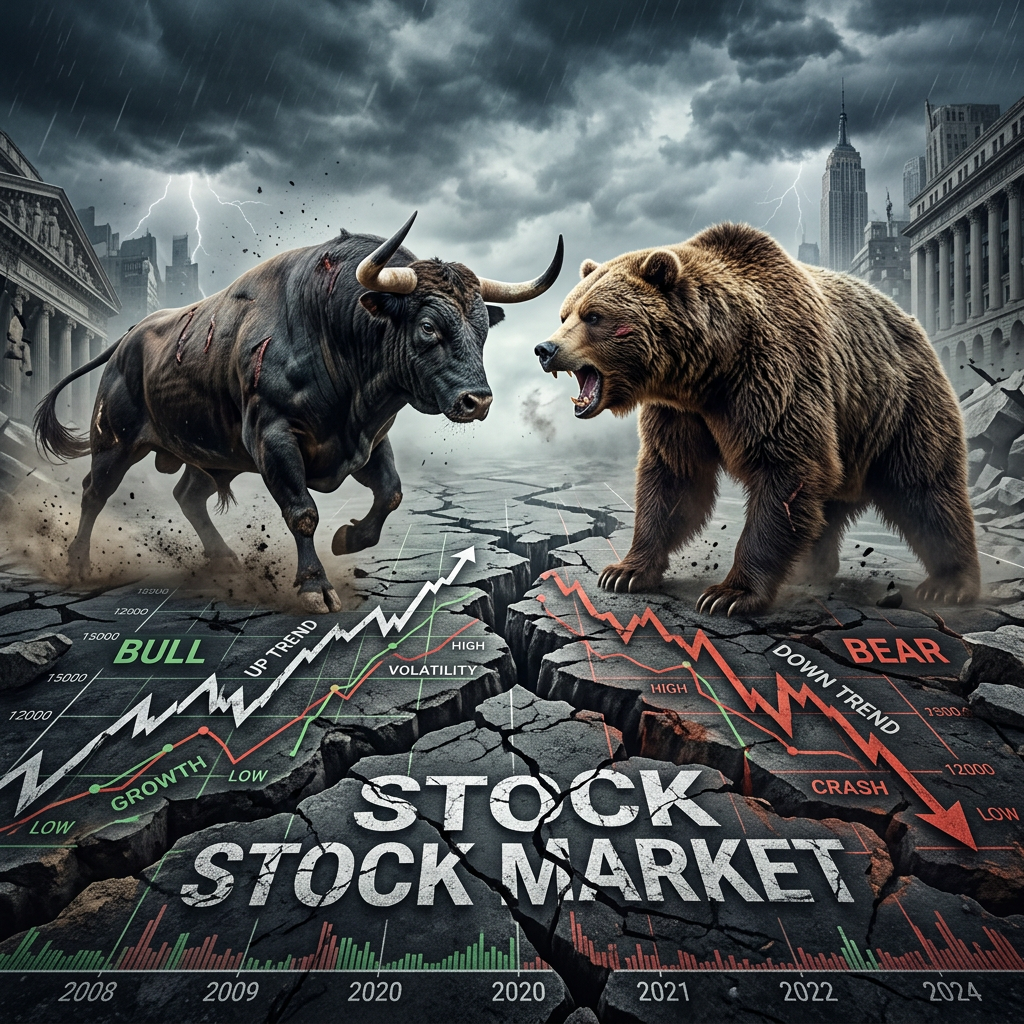
When everyone around you is rushing to buy, are you heading straight for a financial disaster? That gut feeling you ignore might be the difference between gains and catastrophe.
Understanding the invisible force of herd mentality is crucial for any investor who wants to break free from the crowd and protect their wealth. In this article, we’ll dive into how following the masses can quietly lead you down a dangerous path and what you need to watch out for in your financial decisions.
Understanding Herd Mentality in Financial Decisions
Herd mentality, in the context of finance psychology, refers to the tendency of investors to follow the crowd rather than relying on independent analysis. When people observe others buying or selling assets rapidly, they often jump on the bandwagon, driven by social proof—the psychological urge to conform to others’ behaviors to fit in or avoid missing out.
A powerful driver behind herd mentality is the fear of missing out (FOMO). Investors see others profiting from a rising market and rush to invest themselves, fearing they’ll lose a chance at gains. This emotional bias overrides rational thinking, pushing individuals to make impulsive decisions based on group behavior instead of fundamentals.
This inclination to follow the majority can seem natural but is often risky. It can inflate asset prices unrealistically and create market bubbles, simply because everyone is buying without critical evaluation.
Moreover, herd mentality often flies under investors’ radar; it feels like a shared “wisdom” rather than a bias, making it harder to resist. Recognizing how social influence and emotional responses contribute to this pattern is crucial for breaking free and making smarter financial choices.
In my investing journey, understanding the psychological roots of herd mentality helped me pause before following trends blindly, allowing space for independent research and more thoughtful decisions.
Learn more about this phenomenon at Herd behavior – Wikipedia.
This section lays the foundation by explaining why herd mentality is a common, yet potentially dangerous behavior in investing, driven by social proof and emotional biases.
How Herd Mentality Causes Financial Disasters
Herd mentality can be a silent financial killer, driving investors to follow the crowd into risky and irrational decisions that often end in disaster.
One of the clearest dangers is the creation of market bubbles. When everyone rushes to buy a popular asset, prices inflate beyond intrinsic values. Take the 2000 dot-com bubble, where tech stocks soared on hype, only to collapse and erase trillions in wealth. Similarly, the 2008 housing bubble was fueled by mass buying influenced by herd behavior, sowing the seeds for a global financial crisis.
Panic selling is another consequence. When markets start to fall, herd-induced fear can trigger mass sell-offs, amplifying crashes. Investors emotionally driven by fear of losses abandon rational analysis, causing sharp market drops that harm portfolios.
Underlying these outcomes are cognitive biases like confirmation bias, which makes investors cling to crowd opinions, and emotional triggers like FOMO that overwhelm sound judgment.
From personal experience, I’ve seen promising investments derailed simply because momentum driven by the herd pushed prices beyond reasonable levels. Recognizing these patterns has been vital in helping me avoid following dangerous trends.
For more examples and insight, visit Herd behavior – Wikipedia.
This section reveals how herd mentality directly contributes to bubbles, crashes, and poor decisions by fueling emotional and cognitive biases, threatening investors’ financial health.
Identifying Herd Mentality in Your Own Investing
Herd mentality can sneak into your investment decisions without you realizing it. Recognizing when you’re falling prey to this common bias is crucial for maintaining control and avoiding costly mistakes.
One clear sign is making rash decisions based on hype or popular opinion rather than careful analysis. If you find yourself buying stocks just because “everyone else is doing it,” or selling in panic without reviewing fundamentals, that’s a red flag.
Ignoring your own fundamental research is another indicator. Relying solely on buzz, trending news, or social media sentiment while dismissing the financial health or valuation of an asset points to herd influence.
Watch for emotional triggers like FOMO—fear of missing out—which fuels impulsive actions. If hesitation or doubts about a decision disappear simply because of peer pressure or mass movements, pause and reevaluate.
To become more self-aware, ask reflective questions:
- Am I investing because I believe in this stock or just because it’s popular?
- Have I done my own due diligence?
- Am I reacting emotionally to market noise?
Keeping a trading journal can help you track these patterns and develop more independent thinking over time.
From my experience, spotting these signs early made a huge difference, letting me step back and make decisions rooted in analysis, not crowd behavior.
For further reading, check Herd behavior – Wikipedia.
This section arms you with practical ways to spot herd mentality in your behavior so you can break its cycle and invest more rationally.
Strategies to Break Free from Herd Mentality
Breaking free from herd mentality is essential to making smart, independent investment decisions that align with your financial goals. Here are practical strategies to help you resist the crowd and think critically.
Conduct Personal Due Diligence
Before following any trend, do your own research. Analyze the fundamentals of assets, market conditions, and long-term potential rather than relying on popular opinion or hype. This disciplined approach reduces impulsive decisions driven by group behavior.
Focus on Fundamental Analysis
Build your decisions on financial metrics, company health, and realistic valuations. Ignoring these in favor of “what everyone else is doing” increases risk. By grounding choices in solid analysis, you avoid bubbles and overpriced assets fueled by herd buying.
Develop a Long-Term Mindset
Herd mentality thrives on short-term gains and hype cycles. Adopting a patient, long-term investment perspective helps you stay calm during market fluctuations. This mindset encourages steady growth and prevents panic selling or impulsive buying.
Diversify Your Investments
Diversification limits exposure to any one trend or market sentiment. A well-balanced portfolio reduces the impact of herd-driven market swings and safeguards your wealth.
Embrace Contrarian Thinking
Sometimes, going against the crowd is wise. Contrarian investors spot opportunities where herd mentality undervalues assets or drives irrational panic. Cultivating confidence to think independently fosters better risk management and returns.
In my investing path, embracing these strategies transformed how I respond to market noise. It freed me from costly emotional traps and empowered wiser, evidence-based decisions.
For more, visit Herd behavior – Wikipedia.
This section offers actionable methods to escape herd influence—encouraging intelligence, patience, and diversification for stronger, smarter investing.
The Role of Financial Psychology in Resisting Herd Behavior
Understanding financial psychology is key to resisting herd mentality and making independent, rational investment decisions. Our money mindset, combined with emotional regulation skills, shapes how we respond to market pressures and crowd psychology.
One powerful tool is mindfulness—being aware of your thoughts and feelings without judgment. This helps you notice when fear or greed are driving decisions, creating space to pause and reconsider.
Cognitive behavioral approaches teach you to identify irrational beliefs linked to herd behavior and replace them with balanced, fact-based thinking. For example, challenging the impulse to buy just because everyone else is doing so reduces emotional reactivity.
Self-awareness exercises tailored for investors, such as journaling your decision-making process, help uncover patterns of bias and enable proactive behavior change.
From my experience, cultivating emotional resilience through mindfulness and structured reflection has been transformative. It empowered me to stay calm during market volatility and avoid impulsive moves driven by the crowd.
Developing a healthy money mindset anchored in awareness and discipline provides the foundation to resist herd traps and align investing actions with your long-term goals.
For a deeper dive into behavioral finance, see Behavioral finance – Wikipedia.
This section highlights psychological strategies that strengthen decision-making resilience, empowering investors to break free from herd influence and invest wisely.
How to Use Herd Mentality Awareness to Your Advantage
While herd mentality often leads investors astray, savvy investors can strategically leverage awareness of this behavior to enhance their decisions—without falling prey to its pitfalls.
One approach is to spot trends early. When you recognize the initial stages of herd behavior, you can cautiously position yourself ahead of the crowd, capitalizing on momentum before prices peak. However, this requires discipline to exit before the herd reverses direction.
Timing market entries and exits with caution is essential. Use herd psychology insights to anticipate potential turning points, but always balance them with fundamental analysis and risk management, avoiding blind rides on hype.
Effective risk management, such as setting strict stop-losses and maintaining portfolio diversification, protects your capital from sudden reversals fueled by mass sentiment shifts.
Importantly, ethical considerations must guide the use of herd psychology. Manipulating trends or exploiting others’ biases unethically damages markets and investor trust.
From personal experience, combining herd awareness with sound analysis allowed me to act opportunistically during fast-moving markets, reaping better returns while staying vigilant against emotional pitfalls.
For more on crowd psychology in finance, see Herd behavior – Wikipedia.
This section explains how understanding herd mentality helps investors strategically harness market trends with caution, emphasizing risk control and ethics for sustainable success.
Common FAQs About Herd Mentality and Financial Disaster
Understanding herd mentality is vital to protecting your investments. Here are answers to some of the most common questions investors ask about this behavior and its impact on financial decisions.
What is herd mentality in investing?
Herd mentality is the tendency to follow what the majority is doing, often ignoring personal analysis or market fundamentals. This can lead to irrational buying or selling driven by social pressure, not logic.
Why is herd mentality dangerous for investors?
It can cause asset prices to inflate artificially, creating bubbles that eventually burst, leading to crashes and large financial losses for those caught up in the crowd.
How do I know if I’m influenced by herd mentality?
Signs include making impulsive trades based on hype, ignoring fundamental data, or feeling pressured to buy or sell because “everyone else is doing it.” Reflection and journaling can help track these patterns.
Can I avoid falling into herd behavior traps?
Yes, by conducting personal due diligence, focusing on long-term goals, and maintaining emotional discipline. Developing a contrarian mindset and using tools like mindfulness can strengthen your resilience.
How can understanding herd mentality help my investing?
Awareness allows you to spot trends early, make informed decisions, and avoid panic-driven moves. It also helps you use herd behavior strategically without being controlled by it.
For more detailed information, visit Herd behavior – Wikipedia.
This FAQ section provides clear, concise insights to help investors recognize, avoid, and strategically manage herd mentality for smarter, safer investing.
We’ve reached the End
Herd mentality often pushes investors into risky moves that can lead to market bubbles and crashes. By understanding this behavior and using practical strategies, you can protect your financial future and make smarter decisions.
Start applying these insights today and take control of your investing journey!
FAQ Questions and Answers about Why Herd Mentality Leads to Financial Disaster
Here are the most common questions investors ask about herd mentality and its impact on financial decisions, to help you understand and avoid costly mistakes.
What is herd mentality in investing?
Herd mentality is the tendency to follow what the majority is doing, often ignoring personal analysis or market fundamentals. This behavior can lead to irrational buying or selling driven by social pressure, not logic.
Why does herd mentality often lead to financial disaster?
Herd mentality inflates asset prices unrealistically, creating market bubbles that eventually burst, causing crashes and significant financial losses for investors caught in the crowd.
How can I recognize if herd mentality is influencing my investment decisions?
Signs include making impulsive trades based on hype, ignoring fundamental research, or feeling pressured to buy or sell just because others are doing so. Reflecting on your motives and keeping a trading journal can help identify these patterns.
What strategies can help me break free from herd mentality?
Conduct your own due diligence, focus on fundamental analysis, maintain a long-term mindset, diversify your portfolio, and embrace contrarian thinking to make more independent and rational decisions.
How can understanding herd mentality improve my investing?
Awareness of herd mentality helps you spot trends early, avoid panic-driven decisions, and strategically use crowd behavior insights while maintaining control and managing risks effectively.
Further Reading
- Financial Psychology: How Emotions and Cognitive Biases Shape Every Investment Decision
- The Psychology Behind Bull vs. Bear Market Behavior: Decode Investor Mindsets
- How to Control Emotions When Investing: A Practical Behavioral Framework

Written by
Monteiro
Investor · Behavioral Finance Writer · 20+ Years of Market Experience
life enthusiast, self-proclaimed scientist, philosopher, ...
📬 Enjoyed this article?
Follow along for new insights on behavioral finance, investor psychology, and long-term thinking.