


Introduction
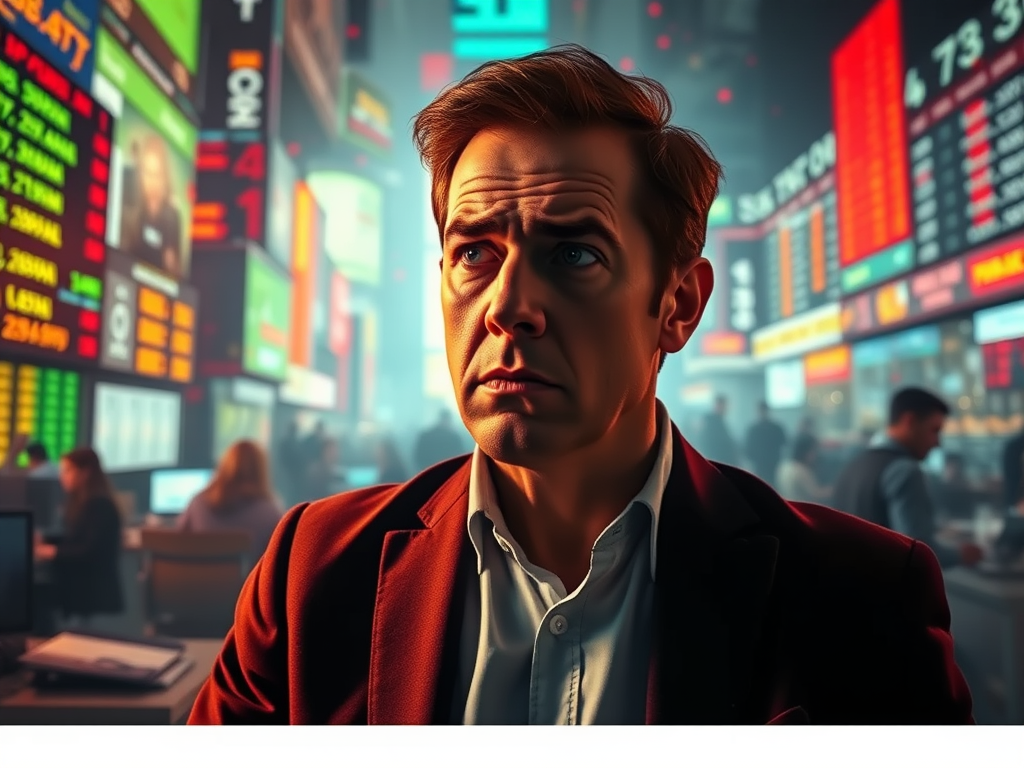
If you feel more anxious about markets today than investors did 20 years ago, it’s not your imagination — it’s design. We live in an era of constant noise: endless alerts, predictions, headlines, commentary, opinions, and micro-movements. Markets no longer move quietly; they scream. But while investors believe noise helps them stay informed, it actually destroys clarity, increases emotional volatility, and erodes long-term decision quality.
In this article, you’ll learn why market noise is psychologically damaging, how it manipulates your brain into overreacting, and why the world’s greatest investors — like Warren Buffett — intentionally distance themselves from it. Most importantly, you’ll discover practical ways to escape noise so you can think independently, act rationally, and protect your long-term returns.
1. What Market Noise Really Is — And Why It Exists
Market noise is information that feels important but has no lasting value.
Examples include:
- minute-to-minute price changes
- analyst opinions
- social media sentiment
- short-term predictions
- economic guesswork
- click-driven news headlines
Noise is not designed to inform you.
It is designed to stimulate you.
1.1 Why Noise Feels Urgent
Noise hijacks the brain’s threat systems:
- uncertainty → anxiety
- anxiety → attention
- attention → consumption
The cycle repeats endlessly.
1.2 Why the Financial Industry Profits From Noise
The more noise you consume:
- the more you trade
- the more fees you generate
- the more ad revenue you produce
- the more emotionally reactive you become
Noise exists because it is profitable — not because it is helpful.
2. The Psychological Damage Noise Creates

Noise is not harmless.
It has measurable psychological costs.
2.1 Noise Increases Emotional Volatility
Exposure to constant fluctuations:
- amplifies fear
- triggers FOMO
- increases self-doubt
- reduces patience
- erodes long-term discipline
Your emotions begin reacting to irrelevant stimuli.
2.2 Noise Creates Illusions of Urgency
Your brain interprets noise as:
- “Act now”
- “Do something”
- “Protect yourself”
But 99% of noise contains zero actionable signal.
2.3 Noise Destroys Cognitive Capacity
Studies show that constant alerts:
- reduce working memory
- impair decision quality
- shrink attention span
- increase impulsivity
You are literally less intelligent while consuming noise.
3. Why Noise Feels Informative, Even When It Isn’t
Noise mimics the shape of information:
- charts
- numbers
- expert opinions
- timing predictions
- breaking updates
But it lacks signal density.
3.1 The Brain Mistakes Detail for Insight
The more granular the data:
- the smarter you feel
- the less accurate your decisions actually become
This is the information illusion.
3.2 The Ego Trap: Wanting to “Stay Updated”
Many investors consume noise because it reinforces identity:
- “I’m informed.”
- “I’m serious about investing.”
- “I follow markets closely.”
But closeness often creates disorientation.
4. How Noise Leads to Overtrading


Noise rarely tells you to hold.
Noise tells you to do.
4.1 Why Noise Makes You Feel Behind
Every headline suggests:
- others are acting
- others know more
- others see something you don’t
To avoid missing out, you react.
4.2 The Action Spiral
Noise creates the illusion that:
- waiting is dangerous
- inaction is irresponsible
- volatility is opportunity
This psychological distortion leads to:
- premature buying
- panic selling
- constant portfolio tinkering
And ultimately lower returns.
5. Why the Greatest Investors Avoid Noise Completely

Legendary investors intentionally minimize inputs.
Buffett:
“I don’t watch markets. I read.”
Munger:
“Avoiding stupidity is easier in a quiet environment.”
Marks:
“Noise blinds you to cycles.”
5.1 Why They Seek Isolation
Isolation provides:
- clarity
- patience
- independence
- skepticism
- emotional stability
Noise destroys all five.
5.2 The 20-Year Benefit of Avoiding Noise
Avoiding noise allows you to:
- think in decades
- focus on fundamentals
- ignore random short-term chaos
- stay calm under stress
- avoid emotional mistakes
This is how compounding survives.
6. The Hidden Emotional Costs Noise Creates Over Time
Noise doesn’t just hurt your portfolio — it hurts your psychology.
6.1 Chronic Stress
Constant alerts keep your nervous system in a permanent low-grade stress state.
This reduces:
- sleep quality
- decision stamina
- emotional resilience
6.2 Confidence Erosion
Every contradictory headline signals:
- “You may be wrong.”
- “You’re missing something.”
- “Others know more.”
Noise makes you distrust your own logic.
6.3 Decision Paralysis
When inputs overwhelm outputs, investors:
- freeze
- delay
- overanalyze
- abandon strategy clarity
Noise creates internal confusion disguised as caution.
7. The Most Dangerous Form of Noise: Social Media Investing


Social platforms amplify:
- narratives
- speculation
- exaggeration
- tribal thinking
- emotional contagion
This creates psychological distortions far larger than any news outlet.
7.1 Why Social Proof Makes Noise Feel Credible
When many people agree emotionally, the brain mistakes it for accuracy.
This leads to:
- herding
- FOMO
- overstimulation
- timing mistakes
7.2 The Performance Comparison Trap
Seeing others post wins creates:
- envy
- insecurity
- urgency
- impulsive risk-taking
Noise becomes emotional fuel.
8. How to Escape Noise: A Practical System


Here is a Buffett–Munger–Marks noise-reduction framework:
8.1 Step 1: Reduce Inputs by 80%
Eliminate:
- price alerts
- financial Twitter
- constant news checking
- daily market commentary
Your IQ increases as noise decreases.
8.2 Step 2: Replace Noise With Primary Sources
Read:
- annual reports
- shareholder letters
- books
- long-term analyses
These sources strengthen thinking, not emotion.
8.3 Step 3: Introduce “Scheduled Information Windows”
Example:
- 2× per week market review
- monthly thesis review
- quarterly earnings deep-dive
Everything else is filtered out.
8.4 Step 4: Use Time Horizons as Emotional Armor
Thinking in:
- 1 day → extreme noise
- 1 month → moderate noise
- 5 years → almost no noise
Your horizon determines your peace.
9. How to Know Noise Is Controlling Your Decisions
You are likely under its influence if:
- you check markets multiple times a day
- headlines impact your mood
- fear or excitement dictates your timing
- you learn “a lot” but understand “little”
- you constantly adjust positions
- your conviction shrinks as noise grows
Noise steals clarity — silently.
Conclusion: Without Noise, You Finally See Reality
Noise creates emotion.
Emotion creates mistakes.
Mistakes destroy compounding.
When you remove noise, you regain:
- clarity
- patience
- independence
- discipline
- confidence
- long-term perspective
The market will always scream.
But you do not have to listen.
Real investing begins when noise ends.
Further Reading
- The Emotional Cost of Trying to Beat the Market
- Fear and Greed in Financial Markets: The Two Emotions That Move Prices
- How to Build Automatic Investing Habits That Stick

Written by
Monteiro
Investor · Behavioral Finance Writer · 20+ Years of Market Experience
life enthusiast, self-proclaimed scientist, philosopher, ...
📬 Enjoyed this article?
Follow along for new insights on behavioral finance, investor psychology, and long-term thinking.
1 thought on “The Emotional Cost of Market Noise and How to Escape It”